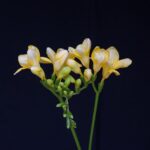

Pruning the tuberose is not about shaping a shrub; it is about managing the energy of the bulb and maintaining hygiene. Unlike woody plants, this herbaceous perennial does not require structural pruning. Instead, the focus is on deadheading spent blooms and managing the foliage to maximize the health of the underground storage organ. Proper cutting techniques ensure a tidy appearance and a more vigorous plant for the next season.
Deadheading spent blooms
Deadheading is the removal of flowers that have finished blooming. You should perform this task to prevent the plant from putting energy into seed production. The goal of the gardener is to direct all the plant’s energy back into the bulb for next year’s growth. Once the flowers fade and turn brown, they become unsightly and can attract fungal decay.
You can remove individual florets as they fade to keep the spike looking fresh. The flowers on a tuberose spike open from the bottom up, so the lower ones will die while the upper ones are still opening. You should pinch these off carefully with your fingers or small snips. This keeps the display looking pristine for a longer period.
Once the entire spike has finished blooming, you should cut the flower stalk down. You should follow the stem down into the foliage and make the cut near the base, but be careful not to damage the leaves. Do not leave a long, headless stick protruding from the plant, as it serves no purpose. This removal signals to the plant that the reproductive phase is over.
Hygiene is important during this process. You should use clean, sharp scissors or bypass pruners to make clean cuts. Crushing the stem invites rot. You should also disinfect your tools between plants to prevent the spread of viruses.
More articles on this topic
Harvesting cut flowers
The tuberose is world-renowned as a cut flower, so you will likely want to harvest stems for indoor vases. You should cut the stems when about eighty percent of the bottom florets are fully open. If you cut them too tight (too early), the upper buds may fail to open in the vase. The fragrance is most potent in the evening, so cutting them then or early morning is ideal.
You should use a sharp knife or shears to cut the stem as long as possible without taking too many leaves. The leaves are the factories that produce food for the bulb, so leaving the foliage intact is crucial. You should aim to leave at least two-thirds of the leaves on the plant. Removing too much foliage will weaken the bulb and may prevent flowering the following year.
After cutting, you should place the stems immediately in lukewarm water. You can recut the stems underwater to prevent air bubbles from blocking the uptake of water. You should remove any leaves that would be submerged in the vase water to prevent bacterial growth. Changing the vase water daily extends the life of the blooms significantly.
The “harvest” is essentially a form of pruning. You should treat the remaining plant with care, continuing to water and feed it. Just because the flower is gone doesn’t mean the plant’s work is done. It still needs to photosynthesize for the rest of the season.
More articles on this topic
Managing foliage
The foliage of the tuberose is generally left alone during the growing season. You should not trim or cut back the green leaves for aesthetic reasons. Every square inch of green surface area is solar paneling that charges the bulb’s battery. Even if the tips turn slightly brown, you should leave the healthy green parts intact.
If leaves are damaged by pests, disease, or physical trauma, you should remove them. You should cut these damaged leaves off at the base. Removing diseased foliage reduces the inoculum level in the garden. However, do not strip the plant bare; if a leaf is 50% healthy, it is still contributing.
During the summer, the clumps can become quite dense. You might feel tempted to “thin” them out to improve airflow. While airflow is good, you should achieve this by proper initial spacing rather than cutting out healthy leaves. Removing live leaves is effectively starving the bulb.
You should keep the area around the base of the plant clean. You should pull off any dead, slimy leaves that accumulate near the soil line. These are breeding grounds for slugs and rot. A clean crown promotes a healthy plant.
End of season cutback
The final pruning of the year occurs in late autumn. You should wait until the frost has killed the foliage, turning it brown or black. This indicates that the plant has withdrawn all recoverable energy into the bulb. Cutting the leaves while they are still green deprives the bulb of this energy.
Once the foliage is dead, you should cut it back to within a few inches of the soil level (or the top of the bulb). This makes the bulbs easier to dig up and store. You should discard this foliage, especially if it shows any signs of disease. Do not use it to cover the compost pile if you suspect viral or fungal issues.
If you live in a warm climate where the bulbs stay in the ground, you should still remove the dead foliage. You should cut it back and apply a fresh layer of mulch. This removes hiding places for overwintering pests. It also clears the way for fresh new growth in the spring.
The tools you use for this final cleanup should be thoroughly cleaned and oiled before winter storage. You should view this final cut as the closing ceremony of the gardening season. It prepares both the plant and the gardener for the winter rest.
Tool hygiene
The importance of clean tools cannot be overstated when pruning tuberose. You should wipe your pruners with rubbing alcohol or a bleach solution between cutting different plants. This is the single most effective way to stop the spread of viruses like the Tuberose Mild Mottle Virus. A virus cannot be cured, but it can be prevented.
You should keep your blades sharp. You should sharpen your pruners regularly to ensure they slice through the tissue cleanly. Dull blades crush the stem, damaging the vascular system and leaving a ragged wound. Ragged wounds take longer to heal and are more susceptible to infection.
You should never use the same tool to cut diseased plant material and then healthy tissue. You should have a “quarantine” set of tools or be extremely diligent about sterilization. If you cut into a rotten part of a bulb, stop and clean your tool immediately.
Proper tool maintenance extends the life of your equipment and your plants. You should oil the moving parts of your shears to prevent rust. A little time spent on tool care pays dividends in garden health. It is a mark of a professional gardener.
 Flickr / Szerző: Scamperdale / Licence: CC BY-NC 2.0