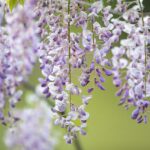

Mastering the art of pruning is the single most important skill you will need to keep these powerful climbers under control and blooming beautifully. Without regular intervention, these vines will quickly turn into an impenetrable thicket of unproductive wood and overwhelming foliage. You must approach pruning as a strategic exercise that guides the plant’s energy into the structures and flowers you want to see. A consistent, twice-yearly schedule is the professional standard that ensures your garden remains both manageable and spectacular.
The first major pruning session should take place in late winter, usually in January or February, while the plant is still fully dormant. During this time, the lack of leaves allows you to see the entire woody framework of the vine with perfect clarity. You should focus on shortening the previous year’s growth back to just two or three buds from the main structural branches. This creates the “flower spurs” that will produce the massive hanging racemes of flowers in just a few months’ time.
Summer pruning is the second essential session, typically performed in July or August after the first flush of growth has finished. During these warm months, the vine produces long, whippy green shoots that can grow several feet in a matter of weeks. You should cut these back to about six inches in length, leaving only five or six leaves on each new runner. This not only keeps the plant tidy but also tells the vine to stop making leaves and start developing flower buds for the next season.
Using the right tools is critical for both the health of the plant and your own safety while working on a large vine. You will need a pair of sharp bypass pruners for the smaller shoots and a sturdy pair of loppers for the thicker woody stems. For very old specimens, a folding pruning saw is often necessary to remove large branches that have become too heavy or diseased. Always keep your tools clean and well-maintained to ensure clean cuts that heal quickly and prevent the entry of pathogens.
Establishing a structural framework
When the vine is young, your primary goal is to establish a strong “skeleton” of permanent branches that will support all future growth. You should select a few vigorous main stems and train them to follow the wires or the structure of your pergola or trellis. Any shoots that grow in the wrong direction or emerge from the base of the plant should be removed immediately. This early discipline ensures that the vine grows in an organized and aesthetically pleasing way from the very beginning.
More articles on this topic
As the main branches reach their desired length, you should prune the tips to encourage the development of lateral, or side, branches. These side branches are where the flower spurs will eventually form, so you want to encourage as many of them as possible along the entire length of the vine. By spacing these laterals evenly, you ensure a balanced display of flowers that covers the entire structure rather than just the tips. This “training” phase takes about three to five years, but it sets the stage for decades of beauty.
You must be vigilant about removing “suckers,” which are fast-growing shoots that emerge directly from the rootstock or the very base of the trunk. These suckers often have different leaf characteristics and will never produce the high-quality flowers of the grafted variety. They steal energy from the main plant and can quickly ruin the clean look of the trunk if left unchecked. You should cut them off as close to the source as possible as soon as you see them appear in the spring or summer.
Managing the “apical dominance” of the vine is a sophisticated technique that involves controlling the height of the plant to encourage horizontal growth. If you let the vine grow straight up, it will put all its energy into the very top, leaving the lower sections bare and woody. By bending the main stems into a horizontal position and securing them, you trigger the growth of side shoots all along the branch. This horizontal training is the secret to those spectacular “curtains” of flowers that you see on professional pergolas.
Rejuvenating an overgrown specimen
If you have inherited an old, neglected vine that has become a tangled mess, do not despair, as these plants are incredibly resilient and can handle heavy renovation. You should start by removing all the dead, damaged, or diseased wood you can find to see what healthy structure remains. Then, identify the few best main trunks and remove all the other competing stems that have wound themselves around each other. This “thinning out” process can be physical work, but it is essential for the long-term health of the plant.
More articles on this topic
You can safely remove up to one-third of the total woody mass of a healthy vine in a single year during the dormant winter season. If the plant is extremely overgrown, you might need to spread the renovation over two or three years to avoid shocking the root system. Each year, you can cut back a few of the oldest, least productive branches to the main trunk to encourage new, vigorous growth to take their place. This “renewal” pruning keeps the vine young and prevents it from becoming a massive block of unproductive old wood.
When you make large cuts, always aim for a clean, angled surface that allows water to run off rather than pooling on the wound. You do not need to use “pruning paint” or wound dressings, as the plant’s own natural defenses are much more effective at sealing the cut. By making your cuts just above a healthy bud or branch junction, you ensure that the plant can quickly direct its sap into new growth. Patience is key during a renovation, as it may take a year or two for the vine to return to full flowering capacity.
Finally, keep in mind that a rejuvenated vine will respond with an explosion of new, whippy growth the following summer. You must be prepared to stay on top of your summer pruning to ensure this new growth is directed into a productive and organized shape. If you neglect the plant after a major renovation, it will quickly return to its original tangled state, and your hard work will be wasted. Consistent follow-up is the only way to transform a “wild” vine into a refined garden masterpiece.
Deadheading and managing seed pods
After the spectacular spring bloom has finished, you will see the remains of the flowers start to turn into long, green seed pods that look like beans. While some people find these pods attractive, they take a tremendous amount of energy from the plant to produce and ripen. By “deadheading,” or removing the spent flower clusters before they form seeds, you help the plant save that energy for next year’s buds. This simple task can significantly improve the quality and quantity of the following year’s floral display.
Removing the seed pods also prevents the plant from self-seeding all over your garden, which can become a major weeding headache. The seeds are often launched several feet away when the pods dry and “explode” in the autumn, leading to unwanted saplings in your flower beds or lawn. If you have a very large vine where deadheading is impossible, you should at least try to clear away the fallen pods in the winter. This keeps the area around the base clean and prevents the woody debris from harboring pests or diseases.
When deadheading, you should cut the flower stem back to the first set of leaves or to the main branch it grew from. Be careful not to damage the emerging leaves or the young green shoots that will become next year’s flower spurs. This is also a good time to do a “mini-pruning” to tidy up any stray runners that have appeared since the spring. Keeping the vine neat throughout the growing season makes the major pruning sessions much more manageable and less daunting.
For those who enjoy the look of the velvet-textured pods during the winter, you can certainly leave a few on the vine for visual interest. Just be aware of the trade-off in energy and the potential for a few “volunteer” seedlings appearing in the spring. In a professional or formal garden setting, however, it is usually better to remove them as part of a clean maintenance routine. Every action you take with your shears should be a conscious choice that supports your overall goals for the garden.
Safety and professional tips
When pruning a large, mature vine, your personal safety should always be your first priority. These plants often grow to great heights, requiring the use of ladders or long-reach pole pruners to access the top sections. You should always ensure your ladder is on stable, level ground and never overreach, as the weight of a heavy branch can easily throw you off balance. Wearing sturdy gloves, eye protection, and long sleeves will protect you from the tough bark and any potential skin irritants.
If you are working near power lines or structural elements like gutters and roof tiles, you must be extremely careful not to cause accidental damage. These vines can wrap themselves so tightly around objects that removing them requires a delicate touch and a sharp blade. You should cut the vine into small, manageable sections rather than trying to pull a long, heavy stem down all at once. This “sectioning” technique prevents the vine from swinging wildly and damaging your home or your neighbors’ property.
One professional secret for encouraging more flowers is to “stress” the vine slightly through root pruning if it refuses to bloom after several years of correct top pruning. By driving a sharp spade into the ground in a circle around the base of the plant, you sever some of the outer roots and slow down the vegetative growth. This sends a biological signal to the plant that it should focus on reproduction (flowering) rather than just getting bigger. This should be done in late winter and only on healthy, established vines that are at least five or six years old.
Finally, remember that pruning is as much an art as it is a science, and every plant has its own unique personality and growth habit. Don’t be afraid to experiment a little and see how your specific vine responds to different levels of cutting and thinning. Over time, you will develop a “feel” for the wood and a deep understanding of how to bring out the best in your climbers. The reward for your efforts will be a spectacular, healthy garden feature that brings joy for many years to come.