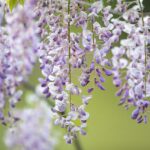

The relationship between sunlight and the performance of these magnificent climbers is perhaps the most important factor in their successful cultivation. You must recognize that light is the primary fuel for the spectacular floral displays that make these plants so famous in the gardening world. Without the proper quality and quantity of solar energy, even the best-fed and perfectly pruned vine will struggle to produce its iconic hanging racemes. Understanding how to manage light in your garden is the key to unlocking the full potential of these woody perennials.
For the best possible results, you should aim for a location that receives full sun, which is defined as at least six to eight hours of direct light per day. Sunlight triggers the production of flower buds during the previous summer and provides the energy needed to open them in the spring. If the vine is grown in too much shade, it will focus all its energy on reaching for the light, resulting in long, thin stems and very few flowers. You will notice that the most prolific blooms always occur on the parts of the plant that are most exposed to the southern or western sky.
While these vines are sun-lovers, they can also handle some light shade, especially in very hot climates where the afternoon sun can be scorching. In these regions, a bit of dappled light during the hottest part of the day can prevent the leaves from burning and help the flowers last a bit longer. However, you must be careful not to place them in deep, permanent shade, such as under a thick canopy of evergreen trees or on the north side of a tall building. In such conditions, the plant will become leggy, weak, and highly susceptible to diseases like powdery mildew.
Phototropism, or the tendency of plants to grow toward the light, is very strong in these vigorous climbers and will dictate their growth habit. You will find that the vine will naturally migrate toward the sunniest side of its support structure, often leaving the shaded side bare and thin. You can use this to your advantage by training the main stems to spiral around a pergola so that every part eventually gets some exposure. Regular monitoring ensures that the plant doesn’t become lopsided as it chases the sun across your garden or house.
Managing light in a changing landscape
As the years pass, the light levels in your garden will naturally change as other trees and shrubs grow taller and cast longer shadows. You should regularly assess the light conditions around your vine to ensure it isn’t slowly being swallowed by shade from a neighbor’s tree or your own landscape. If you notice the flowering has decreased over several seasons, a lack of light is often the hidden culprit behind the decline. Thinning out the canopy of nearby trees can often restore the necessary light levels and bring the vine back to its former glory.
More articles on this topic
The orientation of the support structure itself plays a major role in how much light the different parts of the plant will receive throughout the day. A trellis running north-to-south will have one side in the sun in the morning and the other in the afternoon, providing a balanced exposure. An east-to-west structure will have a permanent “sunny side” and “shady side,” which you must manage through careful pruning and training. You should always try to position your most important garden features where they can catch the maximum amount of solar energy.
Reflection can also be a powerful tool for increasing the light available to your vine, especially in smaller urban gardens. Planting against a light-colored wall or near a reflective surface like a pool or large windows can bounce extra light into the interior of the plant. This “bonus” light can help stimulate flower bud formation even in sites that are slightly less than ideal in terms of direct exposure. Just be aware that this can also increase the heat around the plant, so you may need to water more frequently.
If you are starting with a young plant in a very sunny spot, you should be mindful of “sunscald” on the tender young bark during its first year. While the leaves love the sun, the unshaded stems of a sapling can sometimes be damaged by the intense ultraviolet rays before they develop a thick bark. Providing a bit of temporary shade for the lower trunk with a piece of cardboard or a tall stake can help protect the young plant as it establishes. Once the vine has its own canopy of leaves, it will naturally protect its own woody structure from the sun.
Seasonal light changes and flower development
The intensity and duration of light change significantly with the seasons, and the vine is finely tuned to these celestial rhythms. In late summer, the shortening days and changing angle of the sun signal to the plant that it is time to stop growing and start setting flower buds for next year. This is why you must ensure the plant has maximum light exposure during the months of July and August. Any significant shading during this critical window will directly lead to a disappointing display the following spring.
More articles on this topic
During the winter months, light is less of a factor for the dormant plant, but the “winter sun” can still have an impact on the woody stems. Bright, sunny days followed by freezing nights can cause the bark to crack as it expands and contracts too quickly. This is often seen on the south side of the trunk and is another reason why a light wrapping can be beneficial in extreme climates. However, for most established vines, the winter sun is a welcome source of warmth that helps the plant survive the coldest periods.
When spring arrives, the increasing light levels work in tandem with warming temperatures to trigger the swelling of the buds and the beginning of the bloom. You will notice that the buds on the sunniest parts of the vine will open several days or even a week before those in the shade. This can actually be a benefit, as it extends the overall blooming period of the entire plant in your garden. Watching this slow progression of color from the sunniest tip to the most shaded corner is one of the joys of the spring season.
Finally, the quality of light—the specific spectrum of colors—also influences how we perceive the beauty of the purple or white flowers. The “golden hour” of late afternoon light makes the lavender hues of the blossoms look particularly rich and vibrant. You might consider placing your vine where you can enjoy its spectacular display during this time of day, such as near a patio or a favorite window. Light is not just a biological requirement; it is also the medium through which we experience the aesthetic wonder of the garden.
Overcoming light related growth problems
If you have a vine that is growing vigorously but refuses to bloom, the first thing you should check is the total amount of direct sunlight it receives. Even if the area seems bright, “bright indirect light” is not the same as the direct, overhead sun that these plants require for reproduction. You can use a light meter or even a simple smartphone app to measure the actual foot-candles or lux reaching the leaves at different times of day. This data-driven approach will tell you immediately if your site is truly suitable for a flowering specimen.
In cases where moving the plant is impossible, you can try “opening up” the vine through aggressive thinning and structural pruning. By removing some of the dense foliage in the center, you allow more light to penetrate into the interior where the flower spurs are located. This can sometimes stimulate a shaded vine into producing a few clusters even in less-than-ideal conditions. You should also keep the top of the vine trimmed so it doesn’t shade out the lower branches, creating a more even distribution of light.
If you are dealing with a site that is simply too dark, you might have to accept that your vine will be a beautiful green foliage screen rather than a floral centerpiece. There is still much to appreciate in the lush, tropical-looking leaves and the elegant, twisting woody stems that these plants produce. Some gardeners even use the vigorous growth of a shaded vine to cover unsightly fences or walls where few other things will grow. Just be sure to adjust your expectations and maintenance routine to fit the reality of your specific environment.
Ultimately, being a successful gardener means working with the natural light you have and choosing the right plants for those conditions. If your heart is set on a massive purple bloom, you must be willing to make the necessary changes to provide the sun the plant needs. Whether that means cutting back a tree, moving a garden shed, or choosing a different planting site, the results will be well worth the effort. Light is the lifeblood of the garden, and when you get it right, everything else seems to fall into place.