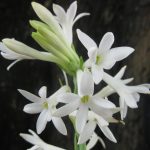

While generally robust, the tuberose is not immune to the attacks of pests and pathogens that can mar its beauty and weaken its vitality. A proactive approach to plant health is far superior to reactive treatments after damage has occurred. By understanding the specific enemies of this plant, you can implement cultural practices that minimize risk. Vigilance and early detection are the gardener’s best weapons in the battle for a healthy garden.
Prevention and cultural control
The most effective way to manage pests and diseases is to create an environment where they struggle to thrive. You should start by practicing strict sanitation in the garden, removing dead leaves and debris where pests can hide. Weeds are often hosts for viruses and insects, so keeping the bed weed-free is a sanitary measure, not just an aesthetic one. You should also rotate your crops, avoiding planting bulbs in the same spot year after year to prevent soil-borne pathogen buildup.
Proper spacing is a powerful preventative tool against fungal issues. You should ensure there is ample air circulation between plants to keep the foliage dry. Fungi require moisture to germinate, so a dry leaf is a healthy leaf. You should also avoid overhead watering whenever possible, directing the water to the base of the plant instead.
Quarantine is an important practice when introducing new plants to your garden. You should inspect new bulbs and plants thoroughly for signs of insects or rot before planting them near your established stock. It is better to discard one suspicious bulb than to risk infecting your entire collection. You should also clean your tools with a disinfectant between plants to avoid spreading sap-borne viruses.
Healthy plants have their own natural defenses against attackers. You should focus on meeting the optimal water, light, and nutrient needs of the plant to keep its immune system strong. A stressed plant releases chemical signals that actually attract pests. Therefore, good horticulture is the foundation of pest management.
More articles on this topic
Aphids and thrips
Aphids are small, soft-bodied insects that cluster on new growth and suck the sap from the plant. You will see them on the undersides of leaves and on fresh flower buds, often accompanied by sticky “honeydew.” This honeydew can lead to sooty mold, a black fungal growth that blocks photosynthesis. You should wash them off with a strong jet of water or use insecticidal soap to control them.
Thrips are a more insidious pest for this species, as they are tiny and hide deep within the flower buds. You might notice the flower petals looking streaked, silvery, or deformed as they open. Thrips feed by rasping the tissue and sucking the juices, causing significant cosmetic damage. You should use blue sticky traps to monitor their presence and apply neem oil or spinosad if populations get high.
Both of these pests are vectors for viral diseases, which makes their control doubly important. You should monitor your plants closely early in the season to catch infestations before they explode. Natural predators like ladybugs and lacewings can help keep aphid numbers down. You should avoid broad-spectrum insecticides that kill these beneficial allies.
Systemic insecticides are an option for severe infestations, but they should be a last resort. You should apply these chemicals carefully and according to the label, keeping in mind the impact on pollinators. Since the flowers are fragrant and attract bees, it is often better to use contact sprays in the evening. Persistence is key, as these pests reproduce rapidly.
More articles on this topic
Root rot and fungal issues
Root rot is the primary killer of tuberose, usually caused by the fungi Fusarium or Pythium. You will notice the plant wilting despite moist soil, and the base of the stem may turn brown or black. If you dig it up, the roots will be mushy, brown, and foul-smelling. You should improve drainage immediately, but severely infected plants must be removed and destroyed.
Botrytis blight is another fungal disease that affects the leaves and flowers, appearing as gray fuzzy mold. It thrives in cool, damp weather and spreads quickly in crowded plantings. You should remove any infected plant parts immediately to reduce the spore load. Fungicides can be used preventatively during wet spells, but cultural controls like spacing are more effective long-term.
To prevent fungal issues, you should never plant bulbs that show signs of mold or damage. You can treat bulbs with a fungicide dust before planting or storage as a precautionary measure. You should also avoid working among the plants when they are wet, as this easily transfers spores from leaf to leaf. Sunlight and airflow are natural fungicides.
Soil solarization can be used to treat beds that have had problems with soil-borne fungi. You should cover the moist soil with clear plastic during the hottest part of summer to cook the pathogens. This is a non-chemical way to sterilize the planting area. However, prevention through proper watering is always easier than cure.
Viral diseases
Viruses are perhaps the most disheartening diagnosis, as there is no cure. You might see mosaic patterns of light and dark green on the leaves, or yellow streaks and rings. The plant may become stunted and produce distorted flowers. You should learn to recognize these symptoms, as viral plants are a threat to the rest of your garden.
The Tuberose Mild Mottle Virus and other potyviruses are known to affect this crop. They are typically spread by aphids, which moves the virus from plant to plant as they feed. You should control the aphid population to limit the spread of the virus. Dirty pruning shears can also transmit the virus via sap.
If you confirm a viral infection, you must be ruthless. You should dig up the entire plant, including the bulb and roots, and dispose of it in the trash. Do not compost viral plant material, as the virus can persist. You should wash your hands and tools thoroughly after handling a sick plant.
buying certified virus-free stock is the best way to start clean. You should avoid trading bulbs with neighbors if you are unsure of the health of their plants. Keeping weeds down around the garden also reduces the reservoir of viruses in the area. Vigilance is the only defense against these invisible pathogens.
Treatment options and strategy
An Integrated Pest Management (IPM) strategy is the professional standard for dealing with these issues. You should start with monitoring and identification, ensuring you know exactly what pest or disease you are fighting. Use physical controls like hand-picking or water sprays first. Then move to biological controls like beneficial insects.
Chemical controls should be the final step, selected carefully to target the specific pest with minimal collateral damage. You should rotate between different classes of chemicals to prevent pests from developing resistance. For example, do not use the same fungicide three times in a row. Read the label every time you use a product.
For organic gardeners, there are many effective options like copper fungicides, sulfur, neem oil, and pyrethrin. You should apply these products in the early morning or late evening to avoid burning the leaves. Remember that organic does not mean harmless; these products can still affect non-target insects. Consistency in application is usually required for organic products to work.
Finally, you should accept a certain level of damage as part of nature. A few aphids or a spotted leaf do not necessarily require chemical warfare. You should intervene only when the health of the plant or the quality of the bloom is threatened. A balanced, healthy garden ecosystem is resilient and can withstand minor pest pressures.
 Flickr / Szerző: Scamperdale / Licence: CC BY-NC 2.0