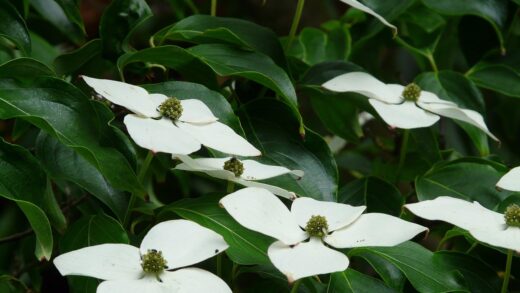

While the Japanese banana is a generally robust and vigorous plant, it is not entirely immune to the challenges posed by various diseases and pests. A healthy, well-cared-for plant is always the best defense, as it will be more resilient and better able to fend off potential problems. However, even the most diligent gardener may occasionally face an issue. Recognizing the early signs of trouble, correctly identifying the culprit, and implementing a swift and appropriate response are key to maintaining the health and magnificent appearance of your tropical centerpiece. Proactive monitoring and an understanding of common ailments will allow you to address problems before they escalate into serious threats.
Proactive disease and pest prevention
The most effective strategy for dealing with diseases and pests is to prevent them from becoming established in the first place. This begins with providing your Japanese banana with the optimal growing conditions to keep it strong and healthy. A stressed plant, whether from improper watering, poor nutrition, or incorrect light exposure, is far more susceptible to attack. Ensure your plant is sited in a location with excellent air circulation, as stagnant, humid air can create a breeding ground for fungal diseases. Avoid planting it in an overcrowded space where air cannot move freely around the foliage.
Proper sanitation in the garden is another cornerstone of prevention. You should make it a regular practice to remove any yellowing, dead, or damaged leaves from the plant promptly. This decaying organic matter can harbor fungal spores and provide a hiding place for insect pests. Similarly, keep the area around the base of the plant clean and free of weeds and debris. At the end of the season, when you cut the plant back for winter, be sure to clear away all the dead foliage and dispose of it, rather than leaving it to rot on the ground over winter.
Watering technique plays a surprisingly significant role in disease prevention. When you water your plant, try to apply the water directly to the soil at its base, avoiding splashing the leaves as much as possible. Wet foliage, especially if it remains wet for extended periods overnight, provides the perfect environment for fungal spores to germinate and infect the plant. This is why watering in the morning is generally recommended over watering in the evening, as it gives the leaves ample time to dry in the sun.
Finally, a healthy soil ecosystem can contribute significantly to plant health. Soil that is rich in organic matter and teeming with beneficial microbes can help to suppress soil-borne pathogens and promote a strong, healthy root system. Regularly amending your soil with compost not only provides nutrients but also fosters this beneficial microbial community. A strong foundation below ground translates directly to a more resilient and disease-resistant plant above ground.
More articles on this topic
Identifying common fungal infections
Fungal diseases are among the most common issues that can affect a Japanese banana, particularly during periods of high humidity or prolonged wet weather. One of the most frequently seen problems is leaf spot. This can be caused by a variety of different fungi and typically appears as small, circular or oval-shaped spots on the leaves. These spots may start as yellow or brown and can enlarge over time, sometimes developing a darker border or a pale, necrotic center. While minor leaf spot is usually just a cosmetic issue, a severe infection can reduce the plant’s photosynthetic ability and weaken it.
To manage leaf spot, the first step is to remove and destroy any heavily infected leaves to reduce the number of fungal spores available to spread. Improving air circulation around the plant by thinning out some of the surrounding vegetation can also be very helpful. In cases of persistent or severe infection, the application of a copper-based or other broad-spectrum fungicide can be effective. You should always follow the product’s instructions carefully and ensure thorough coverage of all leaf surfaces, including the undersides.
Root rot is a far more serious fungal issue, and it is almost always caused by poor drainage and overwatering. Pathogens like Pythium and Phytophthora thrive in waterlogged, anaerobic soil conditions, where they attack and destroy the plant’s root system. The above-ground symptoms can be confusing, often mimicking those of drought, such as yellowing leaves, wilting, and stunted growth. The base of the pseudostem may become soft and mushy. Unfortunately, by the time these symptoms are obvious, the damage to the root system is often extensive and the plant may not be salvageable.
Prevention is the only truly effective cure for root rot. This underscores the absolute importance of planting your Japanese banana in well-draining soil and being meticulous about not overwatering. If you suspect root rot in a container-grown plant, you should immediately remove it from the pot, trim away any brown, mushy roots with a sterile tool, and repot it in fresh, sterile, and well-draining potting mix. For in-ground plants, improving the drainage of the surrounding soil is the only long-term solution.
More articles on this topic
Managing common insect pests
The Japanese banana can play host to several common garden pests, with sap-sucking insects being the most frequent visitors. Spider mites are a particularly common nuisance, especially during hot, dry weather or on plants grown indoors over winter. These tiny arachnids are difficult to see with the naked eye, but their presence is revealed by a fine, web-like material on the undersides of the leaves and a stippled, speckled, or bronzed appearance on the leaf surface. They thrive in dry conditions and can multiply rapidly, causing significant damage if left unchecked.
The first line of defense against spider mites is to increase humidity, as they dislike moist environments. Regularly spraying the undersides of the leaves with a strong jet of water can be very effective at physically dislodging and disrupting the colonies. For more persistent infestations, applications of insecticidal soap or horticultural oil are a good option. These products work by suffocating the mites on contact and are generally less harmful to beneficial insects than broad-spectrum chemical pesticides.
Aphids are another common sap-sucking pest that may be attracted to the tender new growth of a Japanese banana. These small, soft-bodied insects can cluster on new leaves and the pseudostem, feeding on the plant’s juices and potentially transmitting diseases. A minor infestation can often be controlled by simply wiping them off with a cloth or spraying them with a jet of water. For larger populations, insecticidal soap is again an effective and relatively low-impact treatment.
In some regions, mealybugs or scale insects can also become a problem. Mealybugs appear as small, white, cottony masses, typically clustered in leaf axils or on the undersides of leaves. Scale insects are more discreet, appearing as small, immobile bumps on the stems and leaves. Both of these pests can be difficult to control due to their waxy, protective coatings. Dabbing individual pests with a cotton swab dipped in rubbing alcohol can be effective for small infestations. For more widespread problems, repeated applications of horticultural oil may be necessary to suffocate them.
Addressing root and corm problems
Problems occurring below the soil surface can be particularly insidious, as they are not immediately visible. Aside from fungal root rot, the corm and roots of the Japanese banana can be attacked by soil-dwelling pests. One of the most destructive of these is the nematode. These are microscopic roundworms that can infest the roots, causing galls, lesions, and a general decline in plant health. Symptoms of a nematode infestation are non-specific and include stunting, yellowing, and wilting, making it difficult to diagnose without a soil test.
Managing nematodes is challenging. In areas where they are known to be a problem, the best approach is preventative. This involves enriching the soil with vast amounts of organic matter. A healthy, biologically active soil with a high population of beneficial fungi and bacteria can help to suppress nematode populations. Some organic amendments, such as those derived from neem seed meal, have been shown to have nematicidal properties. Solarizing the soil by covering it with clear plastic for several weeks during the hottest part of the summer can also help to reduce nematode numbers before planting.
Another potential issue is damage from burrowing rodents like voles or gophers, which may be attracted to the large, fleshy corm as a food source. This type of damage can be devastating, as they can hollow out the corm from below, causing the entire plant to collapse suddenly without any prior warning signs. If you live in an area where these animals are prevalent, you may need to take protective measures when planting.
To protect the corm from burrowing animals, you can create an underground cage or basket out of hardware cloth or sturdy wire mesh. You would line the planting hole with this mesh before backfilling with soil and planting your banana. This creates a physical barrier that prevents the rodents from reaching the corm. While it requires a significant amount of extra effort during the initial planting process, it can be the only reliable way to protect your plant from this type of damage in affected areas.
Integrated pest management strategies
An Integrated Pest Management (IPM) approach is the most sustainable and environmentally responsible way to handle pests and diseases in the long term. IPM is not about eliminating every single pest, but rather about keeping their populations below a level where they cause significant damage. This strategy prioritizes the least toxic control methods first and only resorts to stronger chemical pesticides as a last resort. The first step in any IPM program is regular monitoring. You should make a habit of inspecting your plants closely at least once a week, checking the undersides of leaves and the new growth for any early signs of trouble.
When a pest is identified, the next step is to consider cultural and physical controls. This could involve improving air circulation, adjusting your watering habits, or physically removing the pests by hand or with a spray of water. Introducing or encouraging natural predators can also be a powerful tool. For example, ladybugs are voracious predators of aphids, and predatory mites can be purchased and released to help control spider mite populations. Creating a garden environment that is welcoming to these beneficial insects is a key part of a successful IPM strategy.
If physical and biological controls are not sufficient, the next level of intervention involves using low-impact, “soft” pesticides. This category includes products like insecticidal soaps, horticultural oils, and botanical insecticides such as neem oil. These products tend to have a lower toxicity to beneficial insects, pets, and humans, and they break down more quickly in the environment than traditional synthetic pesticides. They are often very effective when applied thoroughly and repeatedly according to the label directions.
The use of broad-spectrum chemical pesticides should always be the final option, reserved for severe infestations that threaten the survival of the plant and have not responded to other measures. These chemicals can be very effective, but they also kill beneficial insects, disrupting the natural balance of your garden’s ecosystem, and can have unintended environmental consequences. If you must use them, apply them judiciously, target the application carefully to the affected areas, and always follow all safety precautions listed on the label.