
Finding the right exposure
Understanding the light needs of these trees is essential for ensuring they produce the maximum amount of flowers each year. Most varieties thrive in full sun or partial shade, depending on the specific species and your local growing conditions. You should aim for at least six hours of direct sunlight to encourage strong branch development and a dense canopy. However, in hotter climates, some afternoon shade can be very beneficial for preventing leaf scorch during the summer.
The amount of light the tree receives directly influences the intensity of the flower colors and the overall health of the foliage. You will find that trees grown in too much shade tend to have sparser branches and fewer blooms. They may also grow more slowly and become leggy as they reach toward the light source. Choosing a spot with the right exposure from the beginning will save you from future disappointment and maintenance headaches.
When selecting a site, you should also consider how the light patterns in your garden change throughout the day and the seasons. A spot that is sunny in the spring when the tree is blooming might be shaded by larger neighboring trees in the middle of summer. You should observe your garden carefully to find a location that offers a consistent and high-quality light environment. Professional landscapers often use sun maps to pinpoint the perfect locations for prized specimen trees.
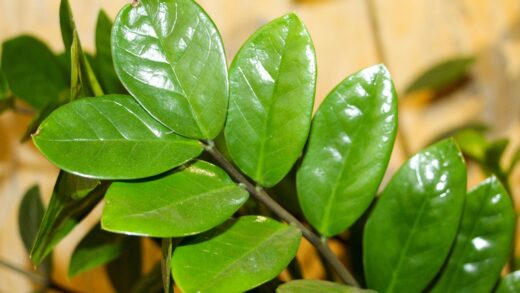
For evergreen varieties, consistent light is even more important for maintaining healthy foliage throughout the entire year. These plants need sunlight even in the winter to support their metabolic processes and stay vibrant. You should avoid planting them in deep, permanent shade where they will struggle to maintain their dense, glossy leaves. Finding the perfect balance of light and shadow is one of the most important aspects of successful ornamental gardening.
Managing light and heat
While sunlight is necessary for growth, the heat that often comes with it can be a challenge for some types of these trees. You should be aware that the large leaves can lose moisture very quickly when exposed to intense midday sun and high temperatures. Providing some light, dappled shade during the hottest part of the afternoon can help keep the tree comfortable and hydrated. This is especially true for younger specimens that haven’t yet established a large, deep root system to pull in water.
More articles on this topic
Reflected light from nearby white walls or paved surfaces can also increase the temperature around the tree significantly. You should be careful about planting too close to structures that might act like a heat trap during the summer months. This extra heat can stress the plant and lead to premature leaf drop or a shorter flowering period. Using groundcover plants or a thick layer of mulch can help cool the area around the base of the tree.
In cooler northern climates, you should maximize the available light by choosing the sunniest spot possible in your landscape. The extra warmth from the sun will help the wood ripen and encourage the formation of next year’s flower buds. You might even use the southern side of a building to create a warmer microclimate for more sensitive varieties. Understanding your local climate allows you to manipulate the light environment to your tree’s advantage.
If you notice that the leaves are turning yellow or showing brown patches in the center, it may be a sign of light stress. You should check if the tree is getting too much direct, intense sun without enough soil moisture to compensate. Sometimes, simply increasing your watering schedule can help the tree better tolerate a high-light environment. Balancing light exposure with proper hydration is the key to maintaining a lush and healthy appearance.
Adapting to changing light conditions
Gardens are dynamic environments where the light conditions can change significantly over several years as other plants grow. You might find that a tree that was once in full sun is now being shaded by a neighbor’s expanding canopy or a new fence. You should periodically assess the light levels reaching your tree to see if any adjustments are necessary. Thinning out the branches of nearby trees can often restore the necessary light without having to move the plant.
More articles on this topic
If you must plant in a partially shaded area, try to choose varieties that are known for being more shade-tolerant. Some species naturally grow as understory trees in their native habitats and can perform quite well with less direct sun. You should do your research before buying to ensure the specific variety you choose matches the light profile of your garden. This proactive approach leads to much better long-term results and a more harmonious landscape design.
For trees grown in containers, you have the unique advantage of being able to move them to find the best light throughout the year. You can place them in a sunny spot in early spring to encourage blooming and then move them to a cooler, shadier location for the summer. This flexibility allows you to provide the perfect light environment for every stage of the plant’s growth cycle. Just be sure to transition the plant gradually to avoid shocking the foliage with sudden changes.
Understanding how light affects the timing of the bloom is also a useful piece of professional knowledge. Trees in sunnier locations will typically flower earlier and more intensely than those in shadier spots. You can use this to your advantage to create a staggered blooming period across your garden by placing trees in different exposures. Observing these subtle differences will help you become a more skilled and intuitive gardener over time.
Light requirements for young trees
Young trees are more sensitive to light extremes than mature specimens and need a bit more careful management. You should ensure that a newly planted tree isn’t suddenly exposed to much more intense sun than it was used to in the nursery. This can cause the leaves to burn and stress the plant while it is trying to establish its new root system. Providing temporary shade during the hottest days of the first summer can be a life-saving measure for a young tree.
As the young tree grows, it will naturally become more resilient and better able to handle its specific light environment. You should encourage upright growth by ensuring the light source isn’t too one-sided, which can cause the trunk to lean. Proper staking can help guide the tree during its early years, but the light environment is what will ultimately determine its shape. A well-placed tree will grow into a balanced and symmetrical specimen without much intervention from you.
Monitoring the growth of new shoots can tell you a lot about whether the young plant is happy with its light levels. If the new growth is strong and the leaves are a healthy, dark green, you have likely found the perfect spot. If the stems are thin and the leaves are pale, you may need to reconsider the location or remove some nearby competition. Paying attention to these early signs will help you ensure the tree has a successful and beautiful future.
Finally, remember that light is the primary source of energy for all the wonderful things your tree does. From producing those giant, fragrant flowers to growing its lush canopy, everything depends on the sun. By understanding and meeting the light requirements of your tree, you are providing the foundation for decades of beauty. Your reward will be a magnificent specimen that brings joy and elegance to your garden every single year.