
Basic environmental needs
Star jasmine is a remarkably versatile plant that thrives in various garden settings. Cultivating this beautiful vine requires a deep understanding of its foundational environmental preferences. Gardeners must pay close attention to the specific climate conditions of their region. Creating the ideal microclimate ensures robust growth and abundant blooming throughout the season.
Temperature plays a crucial role in the overall development of this fragrant climber. The plant prefers mild to warm conditions during its active vegetative growth phase. Extreme fluctuations in daily temperatures can sometimes slow down the establishment of new shoots. Providing a sheltered spot against harsh winds greatly improves its long-term vitality.
Soil composition is another vital factor that determines the health of the root system. A well-draining substrate prevents moisture accumulation around the sensitive basal roots. Amending heavy clay soils with organic compost significantly enhances aeration and drainage. Regular monitoring of the soil structure helps maintain the perfect balance for optimal nutrient uptake.
Air circulation around the foliage is essential to prevent common fungal issues. Planting too close to solid walls without trellises can restrict necessary airflow. Allowing enough space between individual specimens promotes healthier and more vigorous development. Good ventilation naturally keeps the leaves dry and free from unwanted pathogens.
Routine maintenance tasks
Daily observation of the foliage helps identify minor issues before they escalate. Inspecting the leaves for signs of stress allows for immediate corrective actions. Gardeners should establish a consistent routine to check the overall vigor of the vine. This proactive approach saves time and effort in the long run.
More articles on this topic
Weed control around the base of the plant reduces competition for essential resources. Removing invasive weeds ensures that water and nutrients reach the intended roots. Applying a thick layer of organic mulch suppresses weed germination very effectively. Mulching also stabilizes soil temperature during the hottest days of summer.
Training the young shoots requires gentle handling and appropriate support structures. Tying the vines loosely to the trellis guides their upward trajectory without causing damage. Soft garden twine is the best material for securing the delicate stems. Regular adjustments are necessary as the plant gains height and volume.
Cleaning the surrounding area maintains a tidy and professional garden appearance. Removing fallen leaves prevents the buildup of decaying organic matter near the trunk. A clean environment discourages pests from settling in the immediate vicinity. Sweeping the pathways next to the planters also enhances the aesthetic appeal of the garden.
Seasonal care adjustments
Spring marks the beginning of rapid growth and requires increased attention to the plant. This is the perfect time to assess any winter damage and plan the recovery process. The sudden flush of new leaves demands adequate resources from the surrounding environment. Adjusting your care routine in early spring sets the stage for a spectacular floral display.
More articles on this topic
Summer care focuses heavily on maintaining hydration and managing heat stress. The intense sun can sometimes scorch the delicate tips of younger vines. Providing temporary afternoon shade during extreme heatwaves protects the plant from severe damage. Careful observation during these hot months prevents long-term physiological stress.
Autumn brings a gradual slowdown in growth as the plant prepares for dormancy. The decreasing daylight hours signal the vine to harden its newly formed wood. Reducing the frequency of active interventions allows the plant to transition naturally. Clearing away spent flowers and debris readies the specimen for the colder months ahead.
Winter care strategies depend entirely on the severity of the local climate zone. In milder regions, the vine might retain its dark green foliage throughout the season. Colder areas require specific protective measures to shield the roots and stems. Monitoring the weather forecasts helps gardeners anticipate and react to sudden freezing events.
Enhancing blooming potential
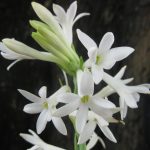
The primary goal for many gardeners is achieving a massive display of fragrant white flowers. Understanding the biological triggers for flower production is key to this success. The plant needs a specific combination of environmental factors to initiate budding. Patience and consistent care directly influence the quantity and quality of the blossoms.
Pruning at the correct time is a major factor in maximizing the floral output. Removing old, unproductive wood directs the plant’s energy into fresh, flower-bearing shoots. The technique used must respect the natural growth habit of the climbing vine. Mistakes in timing can accidentally remove the buds that were developing for the next season.
Nutrient availability specifically during the pre-bloom phase dictates flower size. Phosphorus is widely known to support the development of strong and healthy buds. Applying the right amendments at the exact right moment creates a noticeable difference. Balanced nutrition ensures that the blossoms last longer and emit a stronger fragrance.
Environmental stressors can unfortunately lead to premature bud drop in some cases. Sudden changes in humidity or drastic temperature drops disrupt the flowering cycle. Maintaining a stable and supportive microclimate protects the delicate developing flowers. Consistent monitoring prevents these environmental shocks from ruining the seasonal display.
Managing growth habits
Controlling the vigorous nature of this climber requires strategic planning from the start. Left to its own devices, the vine can easily overtake nearby shrubs and structures. Implementing a clear management plan keeps the growth neat and structurally sound. Regular interventions are far easier than trying to tame a massively overgrown specimen.
Vertical training is the most common method for managing the extensive vine length. Providing sturdy trellises or wires encourages the plant to climb upwards efficiently. The support system must be strong enough to bear the weight of mature foliage. Proper vertical alignment maximizes sun exposure for the entire surface area of the plant.
Horizontal spreading is another option for utilizing this plant as ground cover. Pinning the trailing stems to the soil surface encourages them to root and spread. This technique creates a dense, evergreen carpet that suppresses weeds effectively. Managing ground cover requires different techniques than managing vertical climbers.
Container cultivation naturally restricts the overall size and spread of the root system. Growing the vine in pots requires more frequent pruning to maintain a balanced shape. The limited soil volume demands a careful approach to overall size management. Potted specimens offer great flexibility for patios and smaller outdoor spaces.
Long term health monitoring
Sustaining the vitality of the plant over many years is a rewarding challenge. Mature vines develop a thick, woody base that requires different care than young shoots. Observing the gradual changes in the plant’s structure provides valuable insights. Long-term success relies on adapting your techniques as the specimen ages.
Soil depletion is a common issue for plants that remain in the same location for decades. Periodically rejuvenating the topsoil replenishes essential trace minerals. Replacing the upper layer of soil with rich compost provides a massive health boost. This practice should be done carefully to avoid disturbing the established root network.
Structural integrity of the supports must be checked annually for safety reasons. A mature vine carries significant weight, especially after heavy rainfall. Replacing rotting wooden trellises or rusting wires prevents sudden catastrophic collapses. Maintaining the infrastructure is just as important as maintaining the plant itself.
Recording observations in a garden journal helps track the long-term progress. Noting the dates of blooming and any seasonal issues creates a personalized care guide. This historical data reveals patterns that might not be obvious from year to year. A dedicated gardener uses these records to constantly refine their horticultural practices.