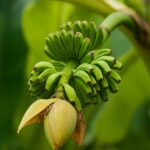

The Japanese banana, known for its dramatic, tropical foliage, is a surprisingly resilient and rewarding plant for temperate climates, provided its fundamental needs are met with understanding and consistency. While it evokes images of exotic landscapes, its successful cultivation hinges not on mimicking a tropical environment but on catering to its specific growth cycle, which includes a period of vigorous summer growth and a necessary winter dormancy. This plant is not a true tree but a herbaceous perennial, meaning its pseudostem is composed of tightly rolled leaf sheaths that emerge from a central underground rhizome, or corm. Mastering the care of this plant involves a holistic approach, considering everything from soil composition and watering schedules to nutrient provision and seasonal adjustments, all of which contribute to its lush, commanding presence in the garden. Proper care ensures not only the survival but the spectacular flourishing of this architectural plant, making it a centerpiece in any garden design.
The foundation of growth
The successful cultivation of the Japanese banana begins right at ground level, with the soil it is planted in. This plant is a heavy feeder and requires a substrate that is both rich in organic matter and exceptionally well-draining. A dense, clay-heavy soil will retain too much moisture, especially during cooler periods, leading to the dreaded root rot, which is one of the most common reasons for failure. To create the ideal environment, you should amend your native soil heavily with compost, well-rotted manure, and materials like coarse sand or perlite to improve its structure and porosity. This ensures that while the roots have access to consistent moisture, any excess water can easily drain away, preventing anaerobic conditions from developing around the corm.
Understanding the pH of your soil is another critical aspect that is often overlooked. Musa basjoo thrives in a slightly acidic to neutral soil, with a pH range ideally between 6.0 and 7.0. Soil that is too alkaline can lock up essential nutrients, even if they are present in the soil, leading to deficiencies that manifest as yellowing leaves or stunted growth. You can easily test your soil’s pH with a simple kit available at most garden centers. If you find your soil is too alkaline, incorporating elemental sulfur or organic materials like pine bark mulch can help to lower the pH over time, making it more hospitable for your plant.
Furthermore, the physical location where you plant your banana is just as important as the soil composition. It requires a spot that is sheltered from strong, persistent winds, which can easily tatter and shred its large, delicate leaves, detracting from its ornamental value. Planting near a wall, fence, or a grouping of more robust shrubs can provide the necessary protection. This sheltering also creates a slightly warmer microclimate, which can be beneficial in extending the growing season and protecting the plant from unexpected late spring or early autumn frosts.
The depth and preparation of the planting hole itself also play a significant role in the long-term health of the plant. You should dig a hole that is at least twice as wide and just as deep as the root ball of the plant you are introducing. This loosened soil around the root ball encourages the roots to expand outward into their new environment rather than remaining constricted. Before placing the plant in the hole, it is highly beneficial to add a generous layer of compost or a balanced, slow-release fertilizer at the bottom, mixing it lightly with the soil to provide a nutrient reserve that the plant can draw upon as it establishes itself.
More articles on this topic
The growth cycle and seasonal needs
The Japanese banana exhibits a distinct and rapid growth cycle that is heavily influenced by the changing seasons, and understanding this rhythm is key to providing appropriate care throughout the year. Growth begins in earnest in late spring as temperatures consistently rise above 15°C, triggering the emergence of new leaves from the central pseudostem. This period of vigorous foliar development continues throughout the summer, with the plant capable of producing a new, enormous leaf every week under optimal conditions of warmth, water, and nutrition. During this peak phase, the plant’s demand for resources is at its absolute highest, and your care routine must be adjusted accordingly to support this explosive growth.
As summer transitions into autumn, you will notice a marked slowdown in the rate of growth. The production of new leaves becomes less frequent, and the overall vigor of the plant begins to decline as temperatures cool and daylight hours shorten. This is a natural preparation for the plant’s dormant period and is not a sign of poor health. It is crucial during this time to begin reducing the frequency of watering and to cease fertilization completely. Continuing to feed the plant late into the season can encourage soft, new growth that is highly susceptible to frost damage and can compromise the plant’s ability to harden off for winter.
The onset of the first hard frost marks a dramatic turning point for the Japanese banana. The leaves will blacken and collapse, which is a normal and expected part of its cycle in temperate climates. At this stage, the plant’s energy has fully retreated into the underground corm, which is the key to its survival. The dead and dying foliage should be cut back, and winter protection, typically in the form of a thick layer of mulch, should be applied to insulate the corm from freezing temperatures. The primary goal of winter care is not to protect the pseudostem, which will die back, but to ensure the viability of the underground rhizome from which new growth will sprout the following spring.
With the return of spring’s warmth, the cycle begins anew. As the ground thaws and soil temperatures rise, the overwintered corm will awaken from dormancy. You will soon see the first new “pups” or suckers emerging from the soil around the base of the old pseudostem, along with a new central shoot. This is the time to gradually remove the winter mulch to allow the sun to warm the soil and to resume a gentle watering schedule to encourage strong new growth. This annual cycle of vigorous growth, autumnal decline, winter dormancy, and spring rebirth is the fundamental essence of growing Musa basjoo successfully outside of a tropical climate.
More articles on this topic
The importance of temperature and humidity
Temperature is arguably the single most important environmental factor governing the growth and survival of the Japanese banana. This plant thrives in warmth and performs best when daytime temperatures are consistently between 24°C and 30°C. Within this range, all of its metabolic processes, from photosynthesis to nutrient uptake, function at their peak efficiency, resulting in the rapid and lush growth for which it is prized. When temperatures dip below this optimal range, growth will slow considerably, and if they fall below 10°C, it will cease almost entirely as the plant begins to enter a state of semi-dormancy.
While the foliage is very tender and will be damaged or killed by any frost, the underground corm is remarkably hardy. It is this part of the plant that can withstand freezing temperatures, reportedly surviving down to -20°C when properly insulated with a thick layer of mulch. This is the secret to its cultivation in colder regions. The entire strategy for overwintering revolves around protecting this vital underground structure, allowing the herbaceous top growth to act as a disposable, seasonal display. Without adequate winter protection for the corm, the plant will not survive in climates where the ground freezes solid.
Humidity is another key, though often less discussed, aspect of creating an ideal environment for the Japanese banana. Originating from regions with naturally high atmospheric moisture, it appreciates a humid environment. While it can tolerate the lower humidity levels found in many temperate summer climates, its leaves will look their best and be less prone to browning at the edges if the ambient humidity is higher. In very dry climates, or during prolonged dry spells, you can help the plant by misting the leaves with water in the morning or by grouping it with other plants to create a more humid microclimate through collective transpiration.
The interplay between temperature and humidity also affects the plant’s water requirements. On hot, dry, and windy days, the rate of transpiration from the huge leaf surfaces can be immense, requiring a significant increase in watering to prevent the plant from wilting and becoming stressed. Conversely, on cool, overcast, and humid days, the plant will lose much less water to the atmosphere, and the need for irrigation will be reduced. Being an observant gardener, paying close attention to both the weather and the plant’s appearance, is crucial for providing the right amount of water and avoiding the pitfalls of both over and underwatering.
Growing in containers versus in the ground
Choosing between planting your Japanese banana in a container or directly in the ground is a significant decision that will shape your entire approach to its care. Planting in the ground allows the plant to reach its full, magnificent potential, with some specimens reaching heights of over 4-5 meters in a single season. The unrestricted root run enables the corm to expand and send up numerous offshoots, creating a dense and impressive clump over time. This method is ideal for gardeners in climates where the plant is root-hardy and who wish to create a bold, tropical statement as a permanent garden feature.
However, growing in the ground requires a commitment to a specific location and a more involved winterization process. You must prepare the soil thoroughly and ensure the chosen spot meets all the requirements for light, shelter, and drainage. Come winter, you will need to cut the plant back and apply a substantial mound of mulch to protect the corm in situ. While effective, this process can be labor-intensive and leaves a bare patch in the garden during the winter months. Nonetheless, the reward is a larger, more vigorous plant each subsequent year.
Growing a Japanese banana in a large container offers a greater degree of flexibility and control. This method is particularly suitable for gardeners with limited space, those living in extremely cold climates where even a mulched corm might not survive, or for those who wish to move the plant around to different locations on a patio or deck. A container allows you to create the perfect soil mix from the outset and makes it easier to manage watering and feeding precisely. The main drawback is that the plant’s ultimate size will be restricted by the volume of the container, and it will require more frequent watering and feeding than its in-ground counterparts.
Overwintering a container-grown specimen presents a different set of challenges and options. The entire pot can be moved into a frost-free, cool, and dark location like a garage, basement, or shed. In this scenario, the plant is forced into dormancy, and watering should be reduced to a bare minimum—just enough to prevent the soil from becoming completely bone-dry. Alternatively, if you have a bright, heated conservatory or sunroom, you can attempt to keep it growing as a houseplant through the winter, though it will require significant light and humidity and may be more susceptible to pests like spider mites in a dry indoor environment.
Maintaining plant health and aesthetics
Maintaining the health and appearance of a Japanese banana throughout the growing season involves regular, observant care beyond the basic requirements of water and food. A key task is the removal of old or damaged leaves. As the plant grows, the lower, older leaves will naturally begin to yellow and die back. Promptly removing these by cutting them close to the pseudostem not only keeps the plant looking tidy and attractive but also helps to prevent the development of fungal diseases that can thrive on decaying plant matter. This simple act of grooming directs the plant’s energy towards producing new, healthy growth.
It is also important to monitor the area around the base of the plant. The Japanese banana has a tendency to produce numerous suckers, or “pups,” from the main corm throughout the growing season. While allowing some of these to develop can create a fuller, more impressive clump, letting too many grow can result in an overcrowded plant where individual stems compete for light, water, and nutrients, leading to weaker growth overall. You can selectively remove some of the smaller suckers to maintain a more open structure, or you can use them for propagation to create new plants.
Inspecting your plant regularly for any signs of pests or diseases is a crucial part of proactive care. Check the undersides of leaves for common pests like spider mites, especially during hot, dry weather, and look for any unusual spots, lesions, or discoloration on the foliage that could indicate a fungal or bacterial issue. Catching these problems early makes them much easier to treat. Often, a simple spray of water can dislodge spider mites, while ensuring good air circulation around the plant can help to prevent many fungal problems from taking hold in the first place.
Finally, consider the long-term impact of the plant on its surroundings. As the corm expands year after year, the clump will increase in diameter. You should be mindful of this when initially siting the plant, ensuring it has adequate space to mature without encroaching on paths or crowding out other valuable plants in your garden. Occasionally, after several years, you may find it necessary to divide the entire clump to rejuvenate it and maintain its size within the allotted space. This process, best done in the spring, also provides an excellent opportunity to share divisions with fellow gardeners.
Long-term care and rejuvenation
As a Japanese banana plant matures over several years, your long-term care strategy will need to evolve to keep it vigorous and healthy. One of the most important aspects of this is managing the expanding clump of pseudostems. After a few seasons, the central corm will have produced a large number of offshoots, which can lead to overcrowding. This dense growth can reduce air circulation, making the plant more susceptible to fungal diseases, and increase competition for resources, resulting in smaller leaves and less robust stems. Every three to four years, it is advisable to rejuvenate the clump through division.
The process of division is best undertaken in the spring, just as new growth is beginning to emerge. You will need to carefully excavate around the entire clump to expose the interconnected network of rhizomes. Using a sharp spade or a pruning saw, you can then separate the clump into smaller sections, ensuring that each new division has at least one healthy pseudostem (or the remains of one from the previous year) and a substantial portion of the corm with attached roots. This process not only controls the size of the plant but also stimulates fresh, vigorous growth in the divisions.
Replanting the divisions requires the same care and attention as planting a new specimen. You should prepare the new planting sites with plenty of rich organic matter to give the plants a strong start. The original location should also be replenished with compost and other amendments before replanting a division there, as the mature clump will have depleted the soil of many of its nutrients over the years. This cycle of division and replanting ensures the long-term sustainability of your Japanese banana planting, allowing you to enjoy its beauty for many years to come.
In addition to periodic division, your long-term soil management strategy is also critical. A plant that is a heavy feeder like the Japanese banana will continually draw a large amount of nutrients from the soil. Simply relying on liquid fertilizers during the growing season is not enough over the long haul. You should make it an annual practice, each spring, to top-dress the soil around the base of the plant with a thick layer of well-rotted compost or manure. This not only provides a slow-release source of essential nutrients but also improves the soil structure, enhances moisture retention, and supports a healthy ecosystem of beneficial soil microbes.