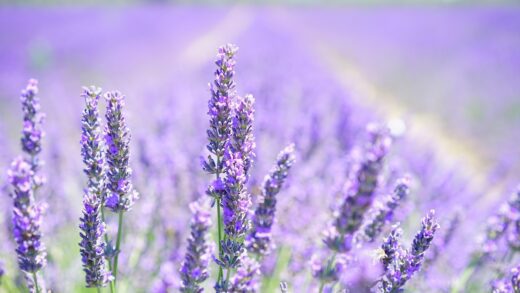

English lavender, a beloved staple in gardens around the world, is cherished not only for its enchanting fragrance and delicate purple-hued flowers but also for its relatively straightforward care requirements, provided its fundamental needs are met. This plant thrives in conditions that mimic its native Mediterranean habitat, which means a love for sun, a preference for dry feet, and an appreciation for lean soil. Understanding these core principles is the first step toward cultivating a healthy, vigorous, and aromatic lavender bush that will reward you for years to come. Many common issues with lavender stem from a simple misunderstanding of these basic needs, often leading to overwatering or planting in overly rich soil, which can be detrimental to the plant’s health. By aligning your care routine with the plant’s natural inclinations, you create an environment where it doesn’t just survive, but truly flourishes, producing an abundance of fragrant blooms.
The success of growing English lavender begins with a deep appreciation for its origins. Imagine the sun-drenched, rocky hillsides of the Mediterranean; this is the environment that shaped the plant’s evolution and, consequently, its preferences in a garden setting. This heritage dictates a need for maximum sun exposure, minimal water once established, and soil that is gritty and well-draining rather than heavy and fertile. Attempting to coddle lavender with rich compost and frequent watering is a common mistake that often leads to disappointment. Instead, a more hands-off approach, respecting its hardy and drought-tolerant nature, yields the best results, encouraging a robust root system and a higher concentration of the essential oils that give the plant its signature scent.
One of the most crucial aspects to grasp is the plant’s absolute intolerance for “wet feet,” a term gardeners use to describe soil that remains saturated for extended periods. The root system of English lavender is highly susceptible to fungal diseases, particularly root rot, which thrives in anaerobic, waterlogged conditions. This is why soil composition and proper drainage are more critical than almost any other factor. Before even considering fertilizer or pruning, ensuring the plant’s roots have access to oxygen and are not sitting in stagnant water is paramount. This foundational requirement influences everything from where you choose to plant it to how you prepare the planting hole and your subsequent watering schedule.
Ultimately, caring for English lavender is a lesson in providing the right kind of attention, which often means less is more. These plants are not heavy feeders and do not require constant moisture, making them an excellent choice for water-wise or low-maintenance gardens. The focus should always be on creating the ideal structural environment—excellent light and drainage—rather than on intensive feeding or irrigation. Once these conditions are established, the plant is remarkably self-sufficient, resilient, and capable of withstanding periods of heat and drought with grace. This resilience is what makes it a sustainable and rewarding choice for gardeners seeking both beauty and practicality.
Selecting the perfect location and soil
The single most important decision you will make when caring for English lavender is choosing the right location, as this will dictate the plant’s overall health and vitality more than any other factor. English lavender is a sun-worshipping plant, requiring a minimum of six to eight hours of direct, unfiltered sunlight each day to thrive and produce a profusion of flowers. A south-facing position is often ideal, as it provides the most intense and prolonged sun exposure throughout the day. Insufficient light will result in a leggy, sparse plant with fewer, less vibrant blooms and a diminished fragrance, as the production of essential oils is directly linked to the amount of sunlight received.
More articles on this topic
Beyond sunlight, the physical and chemical composition of the soil is a critical component of a suitable lavender habitat. Lavender demands exceptionally well-draining soil to prevent the onset of root rot, its most common and serious ailment. Heavy clay soils that retain water are the enemy of lavender and must be heavily amended to improve their structure and porosity. The ideal soil is light, airy, and gritty, often described as sandy or gravelly loam, which allows water to pass through quickly and prevents the root zone from becoming waterlogged. If your garden has dense soil, you must take steps to improve it before planting.
Amending heavy soil to create a lavender-friendly environment is a manageable task that pays significant dividends. To improve drainage, you can incorporate inorganic materials such as coarse sand, pea gravel, or small rock fragments into the planting area. Organic matter can also be used, but it should be chosen carefully; well-rotted compost is acceptable in moderation, but materials like peat moss should be avoided as they can retain too much moisture. When planting, creating a small mound or berm can also be highly effective, as it elevates the root crown above the surrounding soil level, further ensuring that water drains away from the base of the plant.
The pH of the soil is another important consideration for cultivating healthy English lavender. These plants prefer a neutral to slightly alkaline soil, with a pH ranging from approximately 6.5 to 7.5. Acidic soil can hinder the plant’s ability to absorb essential nutrients, leading to stunted growth and poor health. If you are unsure of your soil’s pH, a simple home testing kit can provide a clear reading. Should you find your soil is too acidic, you can amend it by incorporating garden lime or wood ash, which will gradually raise the pH to a more hospitable level for your lavender.
The art of proper watering
Watering English lavender is a delicate balance, and mastering it requires understanding the plant’s life cycle and its deep-seated aversion to excessive moisture. For newly planted lavender, consistent watering is crucial to help the plant establish a strong and deep root system. During its first growing season, you should water it thoroughly once or twice a week, especially during dry spells, allowing the soil to dry out completely between waterings. This initial period of attentive watering encourages the roots to grow downward in search of moisture, which is key to developing the drought tolerance for which the plant is renowned in its maturity.
More articles on this topic
Once an English lavender plant is well-established, typically after its first full year in the ground, its watering needs decrease dramatically. A mature plant with a fully developed root system is exceptionally drought-tolerant and may require very little supplemental watering, often thriving on natural rainfall alone in many climates. Overwatering is a far greater threat to an established lavender plant than underwatering. The best indicator for when to water is the soil itself; you should only provide a deep soaking when the top few inches of soil are completely dry to the touch. In periods of extreme heat or prolonged drought, you may need to water every couple of weeks, but always err on the side of caution.
The method of watering is just as important as the frequency. It is always best to water lavender at the base of the plant, directly onto the soil, rather than from overhead. Wetting the foliage, especially in humid conditions, can create an environment conducive to fungal diseases like botrytis or leaf spot. Using a soaker hose or a drip irrigation system is an excellent way to deliver water directly to the root zone without splashing the leaves. Morning is the ideal time to water, as it gives any moisture on the plant’s surface ample time to evaporate in the sun, further reducing the risk of disease.
Container-grown lavender has slightly different watering requirements compared to plants in the ground. Pots and containers dry out much more quickly, especially porous terracotta pots, and will therefore need more frequent watering, particularly during the hot summer months. However, the fundamental principle of excellent drainage remains paramount. Ensure the container has ample drainage holes and use a gritty, fast-draining potting mix. Even in a pot, you must allow the soil to dry out thoroughly between waterings to prevent the roots from becoming waterlogged and succumbing to rot.
Pruning for longevity and blooms
Pruning is an essential, non-negotiable aspect of English lavender care that ensures the plant remains compact, productive, and healthy for many years. Without regular pruning, lavender has a tendency to become woody and leggy, with a bare, gnarled base and sparse foliage at the top. This not only diminishes the plant’s aesthetic appeal but also reduces its flower production and can shorten its overall lifespan. The primary goal of pruning is to encourage bushy new growth and prevent the stems from developing excessive, non-productive wood.
The timing of pruning is a subject of some debate, but a widely accepted and effective method involves a two-stage approach. The main, more significant pruning should occur after the first flush of flowers has faded, typically in late summer. This involves cutting back the entire plant by approximately one-third to one-half, shaping it into a neat, compact mound. This post-flowering trim encourages a potential second, smaller bloom and, more importantly, prevents the plant from putting its energy into seed production, redirecting it instead into developing a strong framework for the following year.
A second, lighter pruning can be performed in the early spring, just as the first new leaves begin to emerge. This spring trim is primarily for tidying up the plant, removing any stems that may have been damaged by winter weather, and correcting its shape. It is crucial during this pruning not to cut back into the old, woody part of the plant where there are no visible leaves or buds. English lavender generally does not regenerate from old wood, so cutting into it can create permanent bare patches or even kill the plant. Always make your cuts just above a set of healthy new leaves.
When making your pruning cuts, using clean, sharp tools is essential to ensure a clean cut that heals quickly, minimizing the risk of disease transmission. Hand shears or secateurs are ideal for this task. The aim is to create a rounded, mounded shape, which not only looks attractive but also allows for good air circulation through the center of the plant. This improved airflow helps to prevent the fungal issues that can arise in the dense foliage, particularly in humid climates, contributing to the plant’s long-term health and vigor.
Feeding and nutritional needs
When it comes to fertilizing English lavender, the guiding principle should be one of restraint, as these plants have evolved to thrive in nutrient-poor, lean soils. Over-fertilization is a common mistake that can lead to a host of problems. Excessive nutrients, particularly nitrogen, will stimulate lush, rapid foliage growth at the expense of flower production. This soft, leafy growth is also more susceptible to fungal diseases and winter damage, and it results in a plant with a weaker, less concentrated fragrance, as the energy is diverted away from producing essential oils.
In most garden soils, English lavender will not require any supplemental fertilizer at all to perform beautifully. If you have particularly poor or sandy soil that is deficient in nutrients, a single, light application of a balanced fertilizer in the early spring may be beneficial. The best choice is a low-nitrogen, high-phosphorus formula, which will support robust root development and prolific blooming without encouraging excessive leaf growth. A slow-release granular fertilizer or a top dressing of bone meal worked gently into the soil around the base of the plant is more than sufficient for the entire year.
A superior alternative to synthetic fertilizers is the use of organic amendments at the time of planting. Incorporating a small amount of well-rotted compost or a balanced organic blend into the planting hole can help improve the soil structure and provide a slow, gentle release of nutrients as the plant establishes itself. After this initial amendment, an annual top dressing with a thin layer of compost in the spring is all the feeding a lavender plant typically needs. This approach enriches the soil food web and provides a full spectrum of micronutrients in a natural, slow-release form that the plant can utilize as needed.
It is crucial to avoid applying any form of fertilizer in the late summer or autumn. Late-season feeding can encourage a flush of tender new growth that will not have sufficient time to harden off before the first frosts arrive. This vulnerable new growth is highly susceptible to being killed by cold temperatures, which can damage the plant and create entry points for disease. By ceasing all feeding by mid-summer, you allow the plant to slow its growth and begin its natural preparation for winter dormancy, ensuring it is resilient and ready for the colder months ahead.
Managing pests and diseases
Fortunately, English lavender is a relatively pest- and disease-resistant plant, thanks in large part to the aromatic essential oils in its foliage that act as a natural deterrent to many common garden nuisances. However, no plant is entirely immune to problems, and being aware of the potential issues can help you act quickly to mitigate them. The most significant threat to lavender is not an insect or a pathogen in the traditional sense, but rather an environmental condition: poor drainage leading to root rot. This fungal disease, caused by waterlogged soil, is the most common cause of lavender decline and death, underscoring the critical importance of proper soil preparation.
While most insects tend to avoid lavender, a few may occasionally become a problem, particularly in stressed or unhealthy plants. Aphids may sometimes colonize the tender new growth, and spittlebugs can appear in the spring, identifiable by the foamy “cuckoo spit” they produce on the stems. In most cases, these pests can be managed without chemical intervention. A strong jet of water from a hose can dislodge aphids, and spittlebugs can be easily rinsed away. Encouraging beneficial insects like ladybugs and lacewings into your garden will also provide natural and effective pest control.
Fungal diseases, beyond root rot, can occasionally affect English lavender, especially in regions with high humidity or during particularly wet summers. Botrytis, or gray mold, can develop in the dense, inner foliage where air circulation is poor, causing stems to wilt and die back. Another potential issue is leaf spot, which presents as small, dark blemishes on the foliage. The best defense against these fungal problems is prevention: ensure good air circulation by giving plants adequate spacing, avoid overhead watering, and prune regularly to maintain an open, airy structure.
If you do encounter a disease issue, prompt action is key to preventing its spread. Prune out any affected stems or foliage immediately, making sure to cut back into healthy tissue. Dispose of the diseased plant material in the trash, not the compost pile, to prevent the pathogens from spreading. For persistent fungal problems, a fungicide containing copper or sulfur can be effective, but it should be used as a last resort. A healthy, properly sited, and well-cared-for lavender plant is its own best defense against the vast majority of potential pests and diseases.